MIDDLE EAST - Like South Vietnam in the 1970s, Gulf states are contemplating the limits of US power as the Iran peace deal leaves them with an angry and emboldened neighbour. The US-backed leader bemoaned America’s abandonment of his cause after it plunged the region into a disastrous war and then signed a peace deal with their enemies. “You Americans with your 500,000 soldiers … You were not defeated — you ran away!” he said.
Nguyen Van Thieu, the South Vietnamese president, watched Saigon fall in 1975 and went into exile, becoming a symbol of White House fickleness and the limitations of US power.
The reaction in Israel, which joined the campaign and is fighting a war with the Iranian-backed Hezbollah in Lebanon, is angry. "Trump came out a loser,” wrote Yinon Migal, an Israeli commentator. He referred to the Jewish American negotiators Steve Witkoff and Jared Kushner with a derogatory slur, accused them of selling out their “brothers in Israel” and concluded: “We are alone.”
The response in the Gulf, which suffered the brunt of Iran’s attacks during the war, has been positive, but their outlook is bleak. For decades, they had relied on the US to underwrite their security, particularly against Iran, and they had not imagined that the US military could be challenged by an inferior, unconventional force such as Iran’s. As Kissinger said: “The guerrilla wins if he does not lose. The conventional army loses if it does not win.”
Disclaimer:
The views expressed in this section are not our own, unless specifically stated, but are provided to highlight what may prove to be prophetically relevant material appearing in the media.
“Just what is an APOSTLE?”
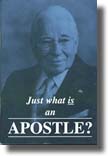
Today we find the Church of God in a “wilderness of religious confusion!”
The confusion is not merely around the Church – within the religions of the world outside – but WITHIN the very heart of The True Church itself!
Read online or contact email to request a copy